Weekends That Roll: Trains, Buses, and Bikes in Harmony

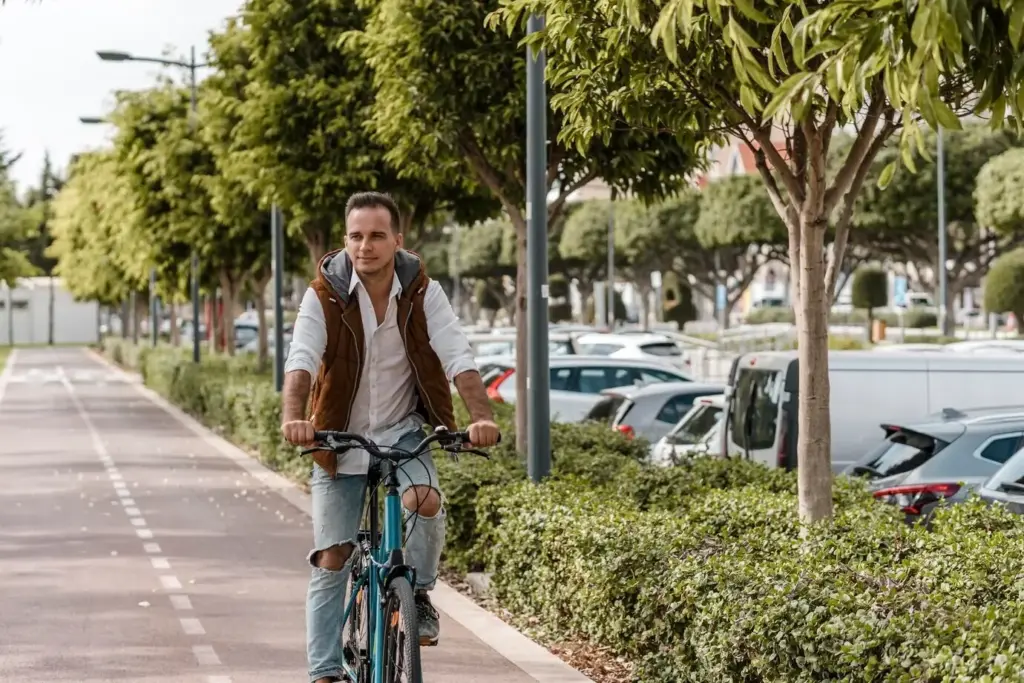
Today we dive into rail-trail weekends that combine trains, buses, and bikes, turning simple escapes into smooth, car-free adventures. You’ll learn how to stitch timetables to pathways, pack confidently, and savor local stops, while minimizing costs, stress, and environmental impact.

Mapping the Journey

Start by layering rail-trail maps with transit overlays from official agencies and open-source tools. Evaluate elevation changes, surfaces, and detours near stations. Pin coffee, water, and restroom stops, then sketch bailout points, ensuring flexibility if weather, legs, or schedules demand adjustments.

Timing the Transfers

Build generous buffers between rides and rails, aiming for predictable connections rather than tight sprints. Check special-event schedules, planned maintenance, and holiday timetables. Prioritize off-peak departures, when carriages and bus racks are quieter, reducing stress while protecting your energy for the trail.

Choosing Start and Finish

Seek trailheads close to staffed stations or well-signed bus stops, ideally with lighting, elevators, and secure bike areas. Favor loops ending near food and lodging, or out-and-backs aligned to frequent service, so your return remains simple, satisfied, and wonderfully unrushed.

Gear That Works Across Platforms

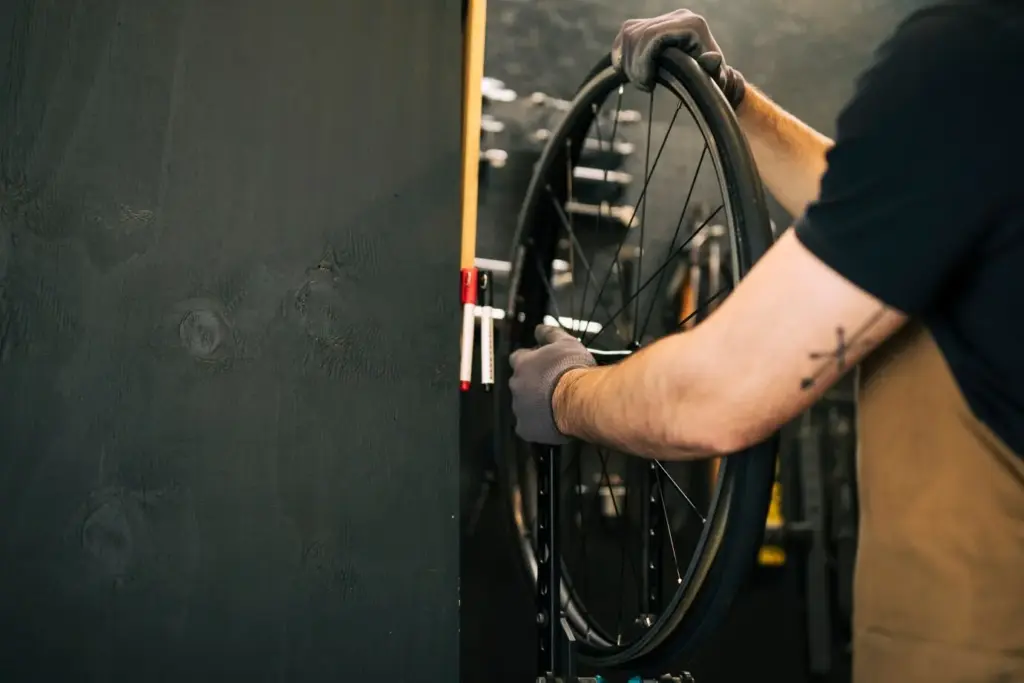
Your setup should move effortlessly from platform to path. Consider folding bikes or easy wheel removal, slim pedals, and compact bags. Balance comfort and simplicity, packing tools, layers, lights, and locks that meet transit rules while staying reliable on unpaved stretches and sudden showers.


Buying the Right Tickets and Passes

Weekend passes, off-peak fares, and regional day tickets often cut costs and stress. Pair them with bike permits when required, keeping QR codes ready. If traveling with friends, investigate group discounts, family caps, and seat reservations that keep your crew together during transfers.

Bikes on Trains and Buses: What to Expect

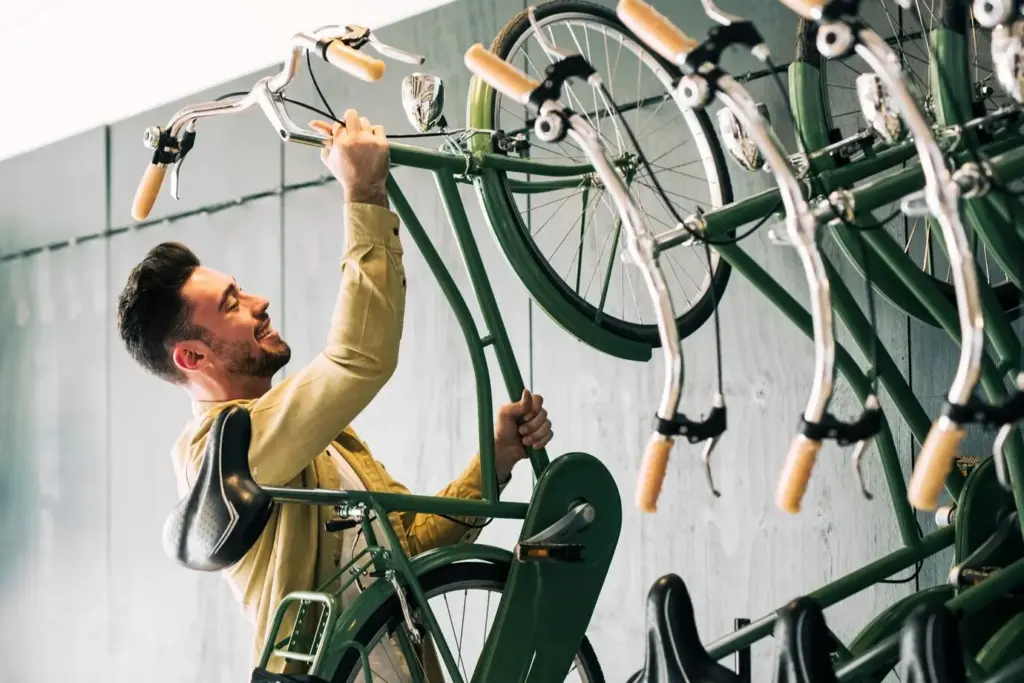
Some trains have dedicated carriages, vertical hooks, or fold-down seats; others expect compact storage near doors. Many buses carry two bikes only, first-come, first-served. Practice loading quickly, securing straps, and communicating politely, so drivers and riders stay relaxed and supportive.

If Plans Change: Backup Strategies

Carry a short list of taxi numbers, rideshare options that accept bikes, and alternative bus stops on the same corridor. A simple folding lock secures quick grocery runs. When in doubt, skip mileage, protect safety, and enjoy an unplanned café stop without guilt.

Tickets, Rules, and Real-World Hacks

Transit systems welcome bikes differently, so knowledge pays off. Learn which services need reservations, which lines allow roll-on boarding, and when bus racks fill fastest. Use official apps, alerts, and station staff, smoothing uncertainties into confident decisions that protect your time and patience.

Coastal Breeze Escape

Roll a seafront path in the morning, catching a midline train past dunes and fishing piers, then bus to a lighthouse trailhead. Return with sunset colors ahead of the last departure, reward the day with chowder, and sleep steps from tomorrow’s shoreline start.

River Valley Ramble

Begin at a heritage station café, pedal shaded towpaths beside calm waters, then hop a regional connector to farmland views and orchard stands. Spend the night in a cyclist-friendly inn, finishing with a leisurely roll to a festival platform bustling with music and markets.

Brewery and History Loop

Trace a converted railbed linking mill museums, street art, and family-owned breweries with secure racks. Alternate riding and short bus hops, tasting responsibly and collecting local stories. Cap the journey by mailing postcards from a grand hall where timetables still whisper adventure.

Safety, Etiquette, and Inclusivity

Shared spaces shine when everyone feels welcome and informed. Keep speed reasonable, signal early, and pass with a bell and a smile. Choose visibility, communicate clearly with operators and other riders, and respect trail volunteers whose care keeps corridors flourishing year-round.

Budget, Sustainability, and Community Momentum

Car-free weekends stretch wallets and horizons. Combine low-cost passes with local stays, support small trail towns, and celebrate low-carbon miles. Share itineraries, volunteer on maintenance days, and encourage agencies to expand roll-on space, turning individual trips into a growing, supportive movement.
Mifapefakonepuxo
Privacy Overview

This website uses cookies so that we can provide you with the best user experience possible. Cookie information is stored in your browser and performs functions such as recognising you when you return to our website and helping our team to understand which sections of the website you find most interesting and useful.